

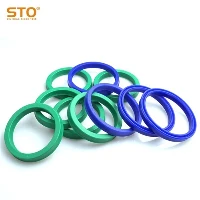
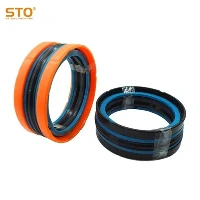
Polyurethane hydraulic rod seals are a critical component in hydraulic systems, playing a pivotal role in preventing fluid leakage and maintaining system efficiency. As a supplier of Polyurethane Hydraulic Rod Seals, I often encounter questions from customers about the lifespan of these seals. In this blog post, I will delve into the factors that influence the longevity of polyurethane hydraulic rod seals and provide insights to help you optimize their performance and durability.
Understanding Polyurethane Hydraulic Rod Seals
Before we discuss their lifespan, let's briefly understand what polyurethane hydraulic rod seals are. These seals are made from polyurethane, a versatile and high-performance elastomer known for its excellent abrasion resistance, tear strength, and chemical compatibility. They are designed to fit around the rod in a hydraulic cylinder, creating a tight seal between the rod and the cylinder bore. This prevents hydraulic fluid from leaking out of the cylinder and contaminants from entering, ensuring the smooth operation of the hydraulic system.
Factors Affecting the Lifespan of Polyurethane Hydraulic Rod Seals
1. Operating Conditions
The operating conditions of a hydraulic system have a significant impact on the lifespan of the rod seals. High temperatures, for example, can cause the polyurethane material to degrade over time, reducing its elasticity and sealing performance. Similarly, extreme pressures can put excessive stress on the seals, leading to premature wear and failure. In addition, the presence of contaminants such as dirt, dust, and metal particles in the hydraulic fluid can also cause abrasion and damage to the seals.
2. Fluid Compatibility
The compatibility of the hydraulic fluid with the polyurethane material is crucial for the long-term performance of the rod seals. Some hydraulic fluids contain additives or chemicals that can react with the polyurethane, causing it to swell, harden, or crack. It is essential to choose a hydraulic fluid that is specifically formulated for use with polyurethane seals and to follow the manufacturer's recommendations regarding fluid type, viscosity, and change intervals.
3. Installation and Maintenance
Proper installation and maintenance of the rod seals are also key factors in determining their lifespan. During installation, it is important to ensure that the seals are properly lubricated and aligned to prevent damage. Incorrect installation can cause the seals to become misaligned or damaged, leading to leakage and premature failure. Regular maintenance, including checking the hydraulic fluid level, changing the filter, and inspecting the seals for signs of wear or damage, can help to extend the lifespan of the seals and prevent costly breakdowns.

4. Seal Design and Quality
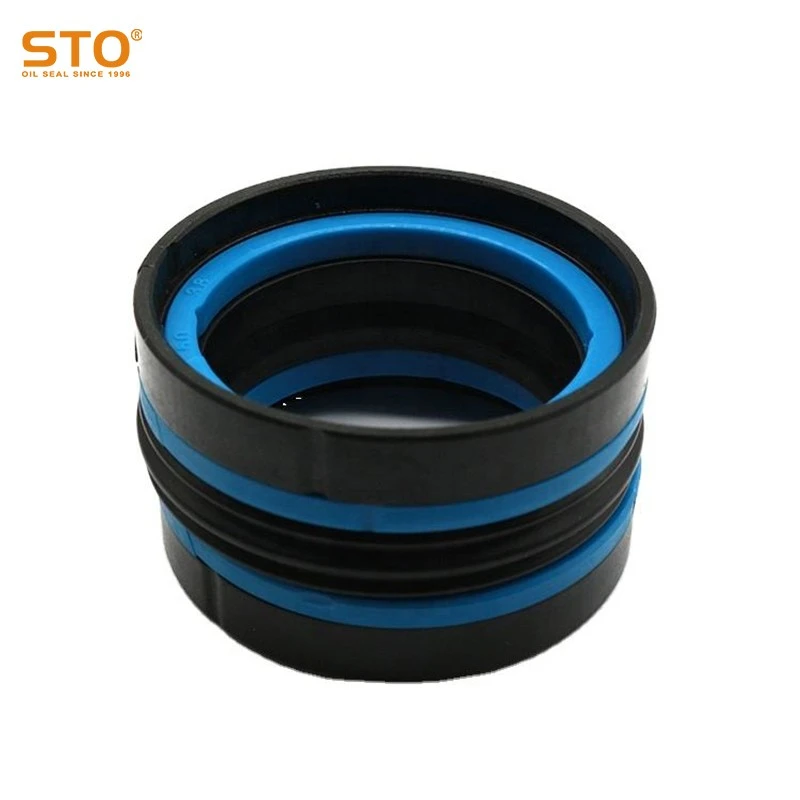
The design and quality of the rod seals themselves also play a role in their lifespan. High-quality seals are typically made from premium-grade polyurethane materials and are designed to withstand the specific operating conditions of the hydraulic system. They may have features such as reinforced edges, multiple sealing lips, or custom profiles to enhance their sealing performance and durability. Choosing a reputable supplier who offers high-quality seals and can provide technical support and advice can help to ensure that you get the best possible performance and lifespan from your rod seals.
Typical Lifespan of Polyurethane Hydraulic Rod Seals
The lifespan of polyurethane hydraulic rod seals can vary widely depending on the factors mentioned above. In general, under normal operating conditions, a well-designed and properly installed polyurethane rod seal can last anywhere from 1 to 5 years. However, in more demanding applications or harsh operating environments, the lifespan may be significantly shorter, ranging from a few months to a year.
It is important to note that these are just estimates, and the actual lifespan of the seals will depend on the specific circumstances of each application. Regular monitoring and inspection of the seals can help to identify signs of wear or damage early on, allowing for timely replacement and preventing costly downtime.
Extending the Lifespan of Polyurethane Hydraulic Rod Seals
1. Optimize Operating Conditions
To extend the lifespan of the rod seals, it is important to optimize the operating conditions of the hydraulic system. This may include reducing the operating temperature, pressure, or speed of the system, or using additional cooling or filtration equipment to remove contaminants from the hydraulic fluid.
2. Choose the Right Fluid
Selecting the right hydraulic fluid is crucial for ensuring the compatibility and longevity of the rod seals. Consult with the seal manufacturer or a hydraulic fluid expert to determine the most suitable fluid for your application, taking into account factors such as the operating temperature, pressure, and type of hydraulic system.
3. Follow Proper Installation and Maintenance Procedures
Proper installation and maintenance are essential for maximizing the lifespan of the rod seals. Follow the manufacturer's instructions carefully during installation, and ensure that the seals are properly lubricated and aligned. Regularly inspect the seals for signs of wear or damage, and replace them as needed.
4. Invest in High-Quality Seals
Investing in high-quality polyurethane hydraulic rod seals from a reputable supplier can make a significant difference in their lifespan and performance. High-quality seals are typically made from premium-grade materials and are designed to withstand the specific operating conditions of your application. They may also come with a warranty or guarantee, providing you with peace of mind and protection against premature failure.
Contact Us for Your Polyurethane Hydraulic Rod Seal Needs
As a leading supplier of Polyurethane Hydraulic Rod Seal, we are committed to providing our customers with high-quality products and exceptional service. Our seals are designed and manufactured to meet the highest standards of quality and performance, and we offer a wide range of sizes and configurations to suit your specific needs.
If you are looking for reliable and durable polyurethane hydraulic rod seals, or if you have any questions or concerns about the lifespan or performance of your existing seals, please do not hesitate to contact us. Our team of experts is available to provide you with technical support and advice, and we can help you choose the right seals for your application.
We also offer a range of other hydraulic seals, including Hydraulic Pistion and Rod Seal, Hydraulic Pistion Seal, Hydraulic Pistion Compact Seal, and PU Pneumatic Seal. Contact us today to learn more about our products and services, and to discuss your procurement needs.
References
- Oberg, E., Jones, F. D., Horton, H. L., & Ryffel, H. H. (2016). Machinery's Handbook: A Reference Book for the Mechanical Engineer, Designer, Manufacturing Engineer, Draftsman, Toolmaker, and Machinist. Industrial Press.
- Hydraulic Seals Handbook. (n.d.). Parker Hannifin Corporation.