

What is the temperature range for wrapped v belt operation?
As a trusted supplier of wrapped V-belts, I understand the significance of operating at the right temperature range for optimal belt performance and longevity. In this blog, I will delve into the temperature factors that affect wrapped V-belts, the ideal temperature range for their operation, and how to ensure your belts function efficiently within these parameters.
Factors Affecting Temperature in Wrapped V-Belt Operation
Several factors can influence the temperature of wrapped V-belts during operation. Understanding these factors is crucial for maintaining the right temperature range and ensuring the belts' reliability.
Friction: Friction is one of the primary sources of heat generation in wrapped V-belts. When the belt slides against the pulley, friction occurs, converting mechanical energy into heat. The amount of friction depends on various factors, such as the belt's tension, the surface roughness of the pulley, and the speed of operation. Higher tension and rougher pulley surfaces can increase friction, leading to more heat generation.
Load: The load placed on the wrapped V-belt also affects its temperature. When the belt is under a heavy load, it has to work harder to transmit power, which generates more heat. Overloading the belt can cause excessive heat buildup, leading to premature wear and failure.
Ambient Temperature: The surrounding environment plays a significant role in the temperature of the wrapped V-belt. If the ambient temperature is high, the belt will have a harder time dissipating heat, which can cause its temperature to rise. Similarly, in cold environments, the belt may become stiff and less flexible, increasing the risk of cracking and failure.
Operating Speed: The speed at which the wrapped V-belt operates also affects its temperature. Higher speeds result in more friction and heat generation. Additionally, high-speed operation can cause the belt to vibrate, which can further increase its temperature and lead to premature wear.
Ideal Temperature Range for Wrapped V-Belt Operation
The ideal temperature range for wrapped V-belt operation typically falls between -30°C (-22°F) and 80°C (176°F). Operating within this range ensures that the belt maintains its flexibility, strength, and overall performance.
Cold Temperature Effects: At temperatures below -30°C (-22°F), the rubber compounds used in wrapped V-belts can become brittle, losing their flexibility. This makes the belt more prone to cracking and breaking, especially when subjected to sudden loads or vibrations. If you need to operate your equipment in cold environments, consider using belts specifically designed for low-temperature applications.
High Temperature Effects: When the temperature exceeds 80°C (176°F), the rubber in the wrapped V-belt can start to degrade. This degradation can cause the belt to lose its strength, elasticity, and grip on the pulleys. As a result, the belt may slip, reducing the efficiency of the power transmission system and potentially causing damage to the equipment. Prolonged exposure to high temperatures can also lead to the hardening and cracking of the belt.
Ensuring Optimal Temperature for Wrapped V-Belts
To ensure that your wrapped V-belts operate within the ideal temperature range, you can take several steps:
Proper Belt Installation: Ensure that the belts are installed correctly, with the right tension. Over-tensioning the belt can increase friction and heat generation, while under-tensioning can cause slippage, which also generates heat. Refer to the manufacturer's guidelines for the recommended tension and installation procedures.
Regular Maintenance: Conduct regular inspections of your wrapped V-belts to check for signs of wear, damage, or misalignment. Replace worn or damaged belts promptly to prevent excessive heat generation. Additionally, keep the pulleys clean and free of debris, as this can reduce friction and heat.
Ventilation and Cooling: If your equipment operates in a high-temperature environment, consider providing adequate ventilation or cooling systems. This can help dissipate heat from the belts and prevent overheating. You can use fans, heat exchangers, or other cooling methods to maintain a suitable operating temperature.
Selecting the Right Belt: Choose wrapped V-belts that are designed for the specific operating conditions of your equipment. For example, if you need to operate in high-temperature environments, look for belts with heat-resistant materials. If your equipment is used in cold climates, select belts that can withstand low temperatures.
Our Range of Wrapped V-Belts
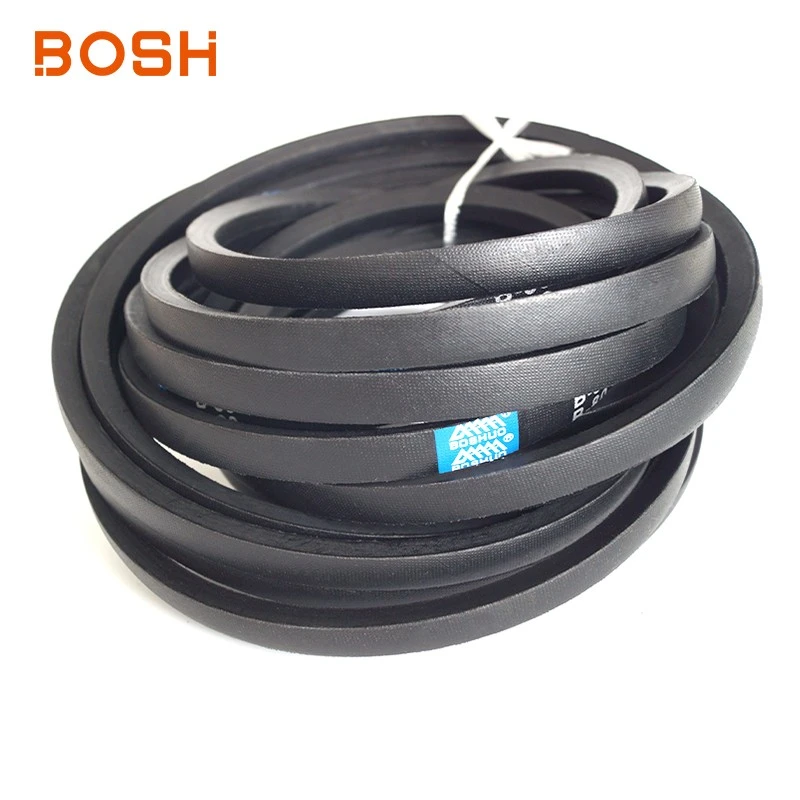
We offer a wide range of wrapped V-belts to meet the diverse needs of our customers. Our belts are manufactured using high-quality materials and advanced production techniques, ensuring superior performance and durability.
- SB SC Agricultural Wrapped V-belt: Designed specifically for agricultural applications, these belts can withstand the harsh conditions and heavy loads commonly encountered in farming equipment.
- SPA Narrow V Wrapped Belt: Ideal for applications where space is limited, these narrow V-belts offer high power transmission efficiency and reduced vibration.
- Classical Wrapped V Belt: A popular choice for general industrial applications, these belts provide reliable power transmission and long service life.
Conclusion
Maintaining the right temperature range is essential for the optimal performance and longevity of wrapped V-belts. By understanding the factors that affect temperature, the ideal operating range, and how to ensure optimal conditions, you can extend the life of your belts and improve the efficiency of your equipment.
If you are looking for high-quality wrapped V-belts for your application, we are here to help. Our team of experts can assist you in selecting the right belt for your needs and provide you with the support and guidance you need to ensure its proper installation and operation. Contact us today to discuss your requirements and start a procurement discussion.

References
- "V-Belt Drives Handbook" - Published by a leading industry association, this handbook provides comprehensive information on V-belt design, selection, and operation, including temperature considerations.
- Technical literature from belt manufacturers, which offers detailed specifications and guidelines for operating wrapped V-belts at different temperatures.